
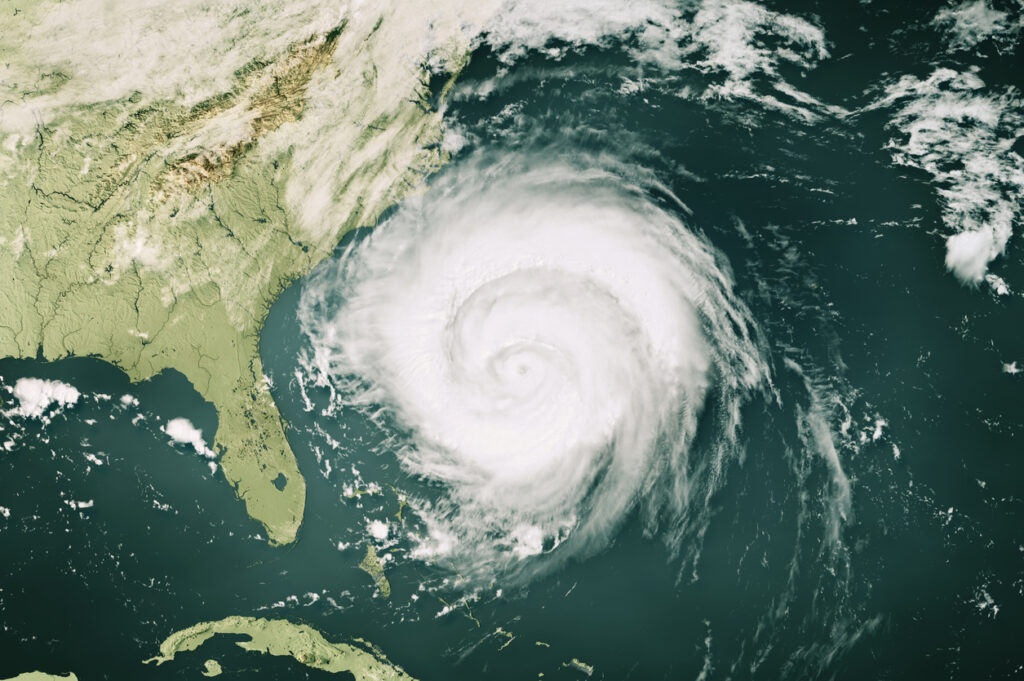
Don’t Wait for the First Storm Warning
If you live in Florida, you already know one thing is certain: hurricane season isn’t if, it’s when. The Atlantic hurricane season officially runs from June 1 through November 30, and every year brings new risks for homeowners across Central Florida and beyond.
At Blanchard Insurance, we’ve seen firsthand how preparation can mean the difference between a smooth insurance claim and a stressful, expensive recovery. The key? Start your Florida hurricane season preparation before June 1, not when a storm is already headed your way.
This guide expands on our previous hurricane preparedness insights and gives you a 2026-ready checklist focused on protecting your home, your finances, and your peace of mind.
Why Early Hurricane Preparation Matters More Than Ever
Many Florida homeowners make the same mistake: waiting until a storm is named. By then, it’s often too late.
- Insurance carriers may restrict policy changes once a storm is imminent
- Supplies like plywood, generators, and bottled water quickly sell out
- Contractors and inspectors become overwhelmed
Preparing early gives you options—and often saves money.
1. Review Your Insurance Coverage (The Most Important Step)
The foundation of Florida hurricane season preparation is understanding exactly what your insurance does, and doesn’t, cover.
Key things to review:
- Hurricane deductible: Often separate from your standard deductible and based on a percentage of your home value
- Windstorm coverage: Verify limits and exclusions
- Flood insurance: Standard homeowners insurance does NOT cover flood damage
- Coverage limits: Ensure rebuild costs reflect today’s construction prices
At Blanchard Insurance, we strongly recommend scheduling a policy review before June 1. Waiting until a storm is in the forecast could leave you underinsured.
2. Document Your Home and Belongings
One of the most overlooked steps in Florida hurricane season preparation is documenting what you own.
What to do:
- Take photos and videos of every room
- Capture high-value items (electronics, appliances, jewelry)
- Store copies:
- In the cloud
- On your phone
- With a trusted contact
This documentation can dramatically speed up your insurance claim and improve your chances of an accurate payout.
3. Inspect and Strengthen Your Home
Before hurricane season begins, walk your property like a storm is coming.
Focus areas:
- Roof: Look for loose or missing shingles
- Windows & doors: Install storm shutters or prep impact protection
- Garage door: Reinforce—it’s one of the most vulnerable points
- Trees & landscaping: Trim branches away from the house
- Gutters & drainage: Clear debris to prevent water backup
Even small vulnerabilities can become major damage points during hurricane-force winds.
4. Prepare for Flooding (Even If You’re Not in a Flood Zone)
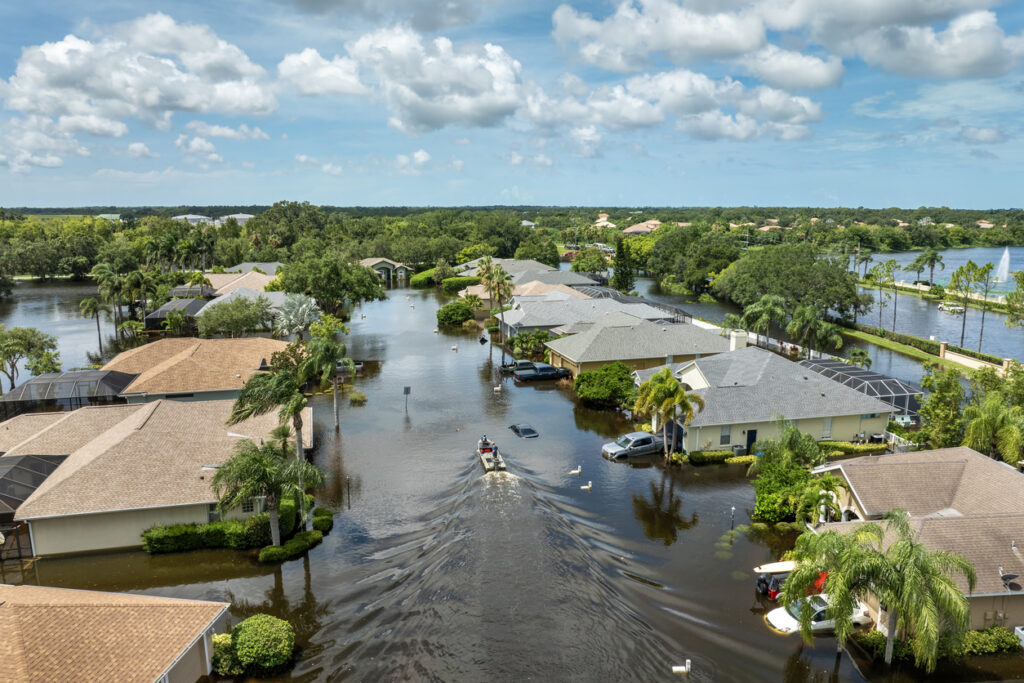
Flooding is one of the most common and costly hurricane-related risks in Florida.
Important reminder:
- Flooding can come from rainfall, storm surge, and overwhelmed drainage systems
- Many homeowners outside “high-risk zones” still experience flood losses
And most importantly:
- Flood insurance policies often have a 30-day waiting period
If you’re unsure whether you need flood coverage, that’s a conversation worth having now—not later.
5. Build or Refresh Your Emergency Kit
Every Florida home should be ready to operate independently for at least 72 hours to 7 days after a storm.
Essentials include:
- Water (1 gallon per person per day)
- Non-perishable food
- Flashlights & extra batteries
- First-aid supplies
- Medications
- Phone chargers & backup batteries
- Cash (ATMs may not work)
Don’t forget:
- Pet supplies
- Hygiene items
- Important documents in waterproof storage
6. Know Your Evacuation Plan Before You Need It
Evacuations can be chaotic, but having a plan reduces stress.
Before June 1:
- Identify your evacuation zone
- Map out multiple evacuation routes
- Locate nearby shelters or safe destinations
- Prepare a go-bag for quick departure
When officials issue an evacuation order, time is limited. Preparation ensures you’re ready to act immediately.
7. Secure Outdoor and Exterior Items
Loose items around your home can quickly become dangerous projectiles in high winds.
Take time to:
- Bring in or anchor patio furniture
- Secure grills, décor, and potted plants
- Store tools and outdoor equipment
- Check fences for stability
These steps not only protect your property, but also your neighbors’.
8. Prepare for Power Outages
Hurricanes often cause extended outages, especially in Central Florida.
Consider:
- Portable or whole-home generators
- Fuel stored safely
- Battery-powered radios for updates
- Backup charging solutions
Planning for power loss reduces discomfort and helps keep your household safer during recovery.
9. Create a Family Communication Plan
After a storm, communication networks may be disrupted.
Make sure everyone in your household:
- Knows emergency contacts
- Has a designated check-in location
- Understands evacuation plans
- Knows how to access important documents
A simple plan ensures everyone stays connected, even in difficult conditions.
Start Your Florida Hurricane Season Preparation Today
Preparation isn’t about fear; it’s about control.
At Blanchard Insurance, we believe informed homeowners make stronger decisions. Hurricane season brings uncertainty, but your preparation does not have to.
Before June 1, make sure you:
- Review your insurance coverage
- Document your home
- Strengthen your property
- Prepare supplies and plans
- Understand your risks
Need Help Reviewing Your Coverage?
If you’re unsure whether your current policy is ready for hurricane season, now is the time to act.
Contact Blanchard Insurance today for a personalized coverage review and expert guidance tailored to Florida homeowners.
Learn more about when Hurricane Damage is NOT covered by insurance HERE.
Click HERE to get an insurance quote TODAY!