
Florida homeowners know that a roof isn’t just a roof; it’s your home’s first line of defense against hurricanes, tropical storms, hail, and year‑round humidity. As we move into 2026, new state regulations, updated insurer guidelines, and evolving roof‑age rules are reshaping what is and isn’t covered when it comes to roof leaks.

If you’ve ever wondered, “Does homeowners insurance cover roof leaks in Florida?” this guide breaks down everything you need to know: what’s covered, what’s excluded, how new 2026 laws affect your policy, and how to protect your home (and your wallet).
Why Roof Leak Coverage Is a Hot Topic in Florida (2026 Update)
Florida’s insurance market has been shifting for years, but 2026 brings several important changes:
- New roof‑age rules and inspection requirements under SB 808
- Stricter underwriting guidelines for older roofs
- Updated claims-handling processes under 2026 insurance law reforms
- Increased focus on maintenance, documentation, and secondary water barriers
These changes directly impact whether a roof leak is covered—or denied.
Does Homeowners Insurance Cover Roof Leaks in Florida?
✅ Yes—If the Leak Is Caused by a Sudden, Accidental Event
Most Florida homeowner’s insurance policies do cover roof leaks when they result from a covered peril, such as:
- Wind damage
- Hail
- Falling trees or debris
- Lightning
- Fire
- Sudden structural failure
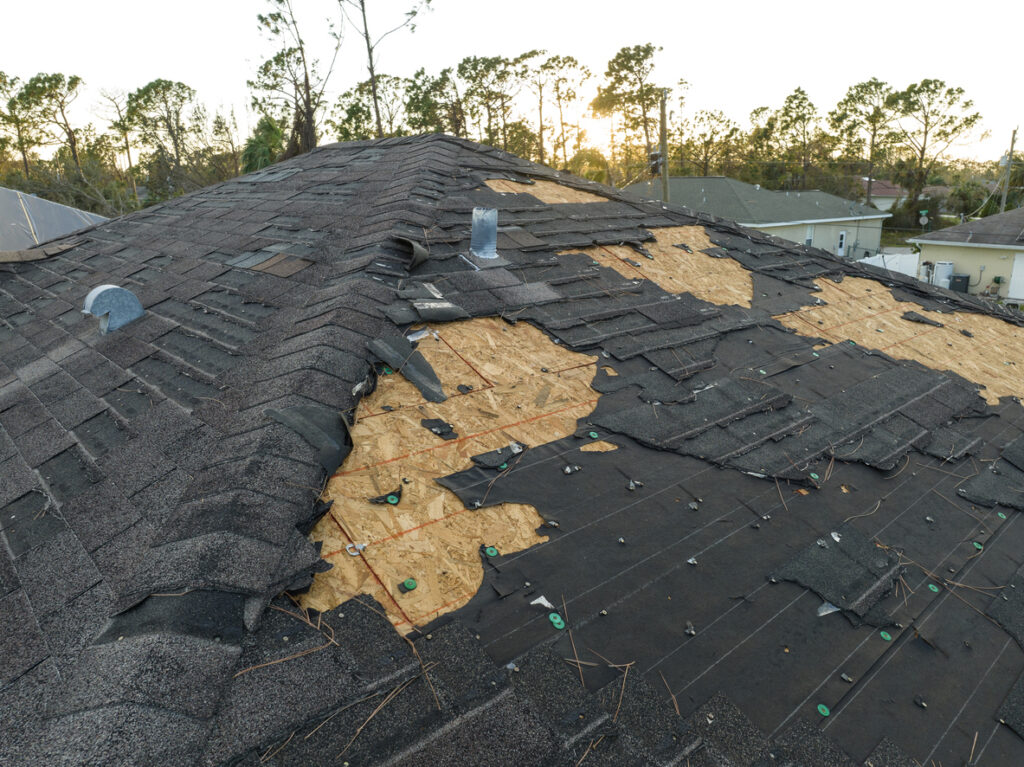
If a storm rips off shingles and water enters your home, that’s typically covered. Insurers pay for both the interior damage and the portion of the roof that was damaged by the event.
❌ No—If the Leak Is Caused by Wear and Tear or Neglect
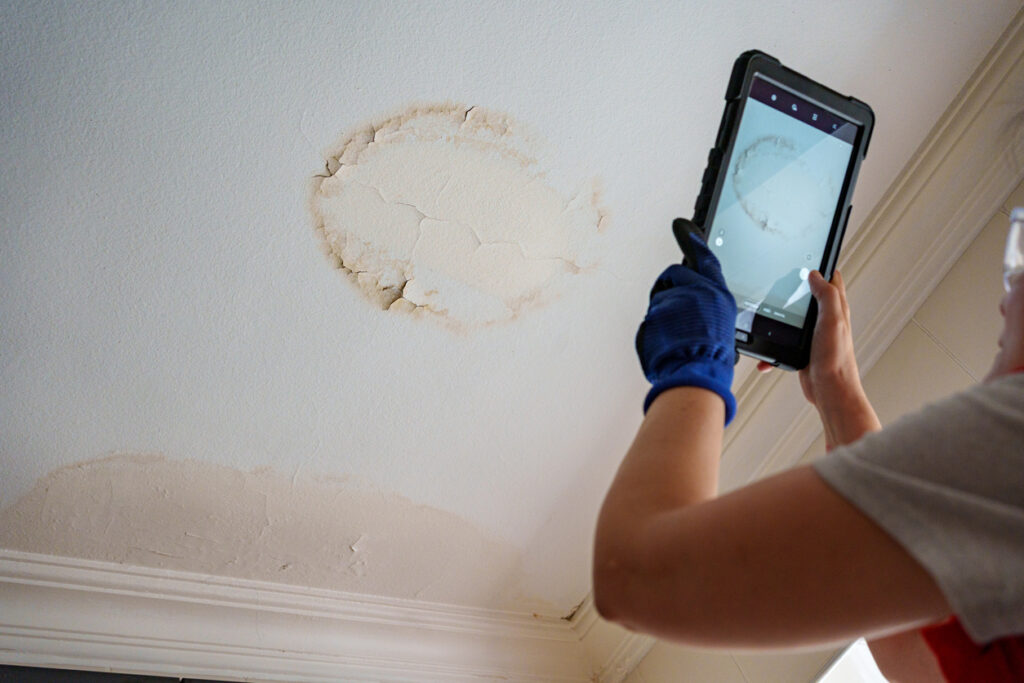
Homeowners insurance does not cover leaks caused by:
- Old or worn‑out shingles
- Long‑term deterioration
- Improper installation
- Lack of maintenance
- Gradual seepage
- Mold from long‑term moisture
With Florida’s new 2026 roof‑age rules, insurers are even more strict about denying claims tied to aging roofs or poor upkeep.
How Florida’s 2026 Roof Rules Affect Leak Coverage
Florida’s updated roof regulations for 2026 include:
- The 15‑Year Roof Rule (SB 808)
- Insurers will not be able to automatically deny coverage or cancel a policy solely because a roof is over 15 years old—but they can require an inspection to determine remaining useful life. The provisions are slated to take effect on July 1, 2026.
- Mandatory Secondary Water Barriers
- Homes with older roofs may need a secondary water barrier to maintain coverage or qualify for discounts.
- Stricter Documentation Requirements
- New 2026 laws require more detailed documentation for disputed property claims, including roof‑related claims.
- Updated Claims Resolution Process
- House Bill 459 (2025) created a formal administrative process for disputed property claims, impacting roof leak disputes in 2026.
Are Roof Leaks from Hurricanes Covered?
- Yes, if wind caused the damage
- If wind damages your roof during a hurricane and water enters your home, that’s typically covered.
- BUT your hurricane deductible applies
- Florida policies include a separate hurricane deductible, often 2–5% of your dwelling coverage.
- Flooding is not covered
- If storm surge or rising water causes the leak, you need flood insurance.
What About Roof Leaks from Heavy Rain?
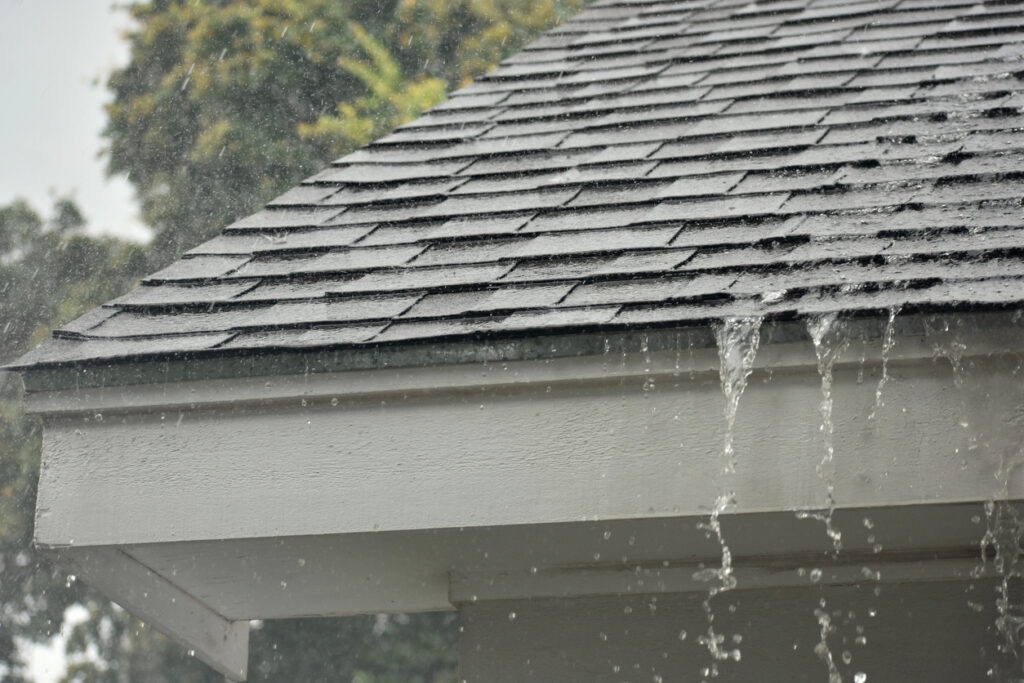
Rain‑related leaks are covered only if wind or another covered peril first created an opening in the roof.
If rain enters through:
- Worn shingles
- Cracked tiles
- Old flashing
- Poor maintenance
…it’s usually not covered.
How to Improve Your Chances of Roof Leak Coverage in 2026
Florida insurers are tightening roof guidelines, but homeowners can protect themselves by:
- Keeping up with roof maintenance
- Document repairs, inspections, and upkeep.
- Getting a roof inspection every few years
- Especially if your roof is approaching 15 years old.
- Installing a secondary water barrier
- This can reduce risk and may lower premiums.
- Acting fast when a leak appears
- Mitigate damage immediately; insurers can deny claims for failure to prevent further loss.
- Working with a local Independent Agency
- Blanchard Insurance helps homeowners compare carriers and understand roof‑related requirements across Florida, Georgia, and South Carolina.
How Blanchard Insurance Helps Florida Homeowners in 2026
As an independent agency, Blanchard Insurance stays ahead of Florida’s evolving insurance landscape. We help homeowners:
- Understand roof‑age rules and inspection requirements
- Compare policies with strong roof coverage
- Understand their coverages as they relate to roof leaks or storm damage
- Understand 2026 roof regulations
- Save money through wind‑mitigation credits and roof upgrades
With offices serving Florida, Georgia, and South Carolina, our team makes sure your home is protected, no matter what the weather brings.
Learn more about when Hurricane Damage is NOT covered HERE.
Click HERE to get an insurance quote TODAY!